

Collect the data once. Reuse it for every compliance output.
Seamdex turns one garment record into a Digital Product Passport, a GS1 QR code per size and EPR filings. Published the same day, at one price.
Same day setup, not six weeks.
Sign up, pay and import your first purchase order the same day. No implementation project, no consultants.
One price, no hidden fees.
From 250 EUR a month with every in-app feature. No tiers, no activation, per-user, per-scan or support fees.
Built for textiles, not adapted to them.
The EU fibre list, care text in the passport languages, textile EPR figures and JRC-derived scores are the record itself, not a plug-in.

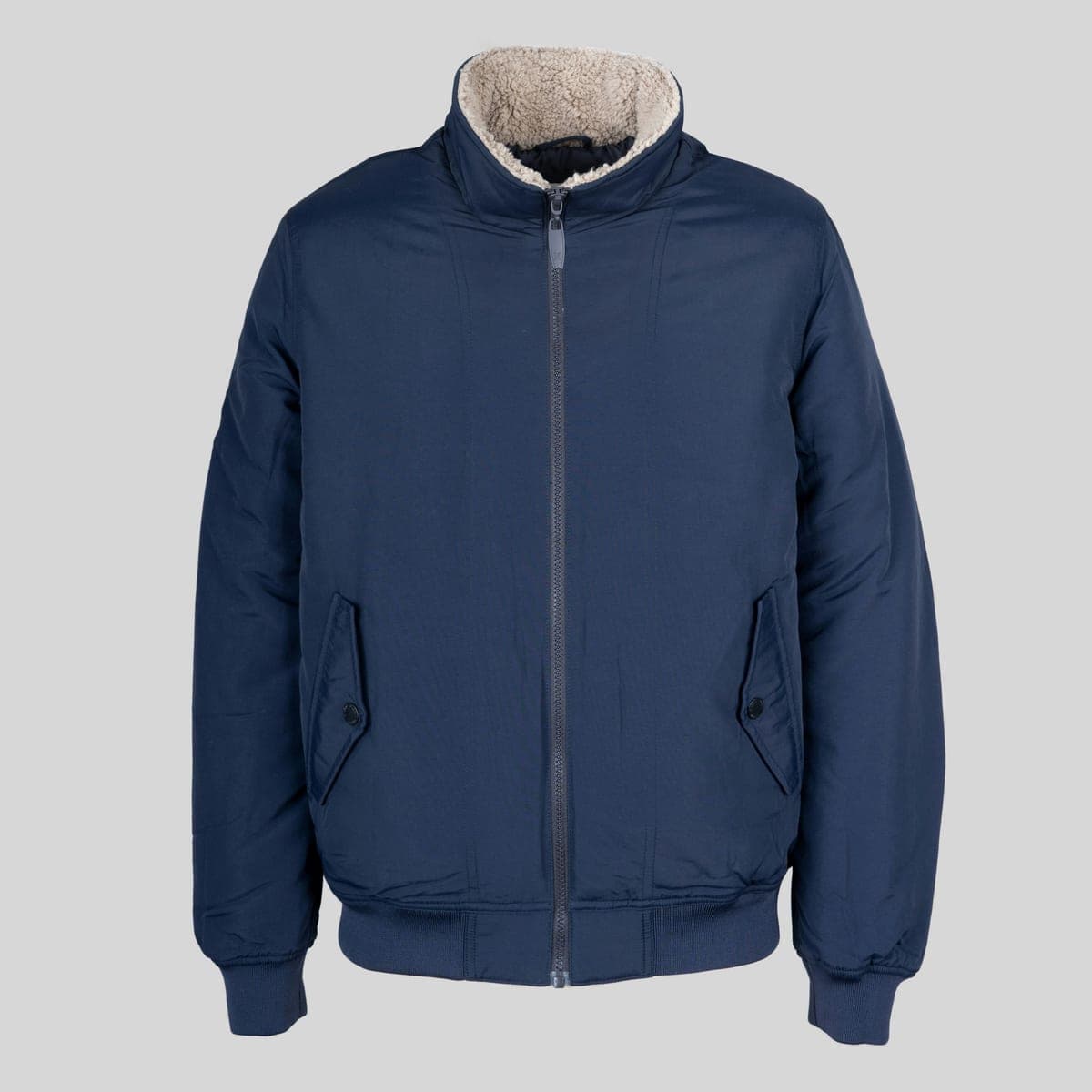
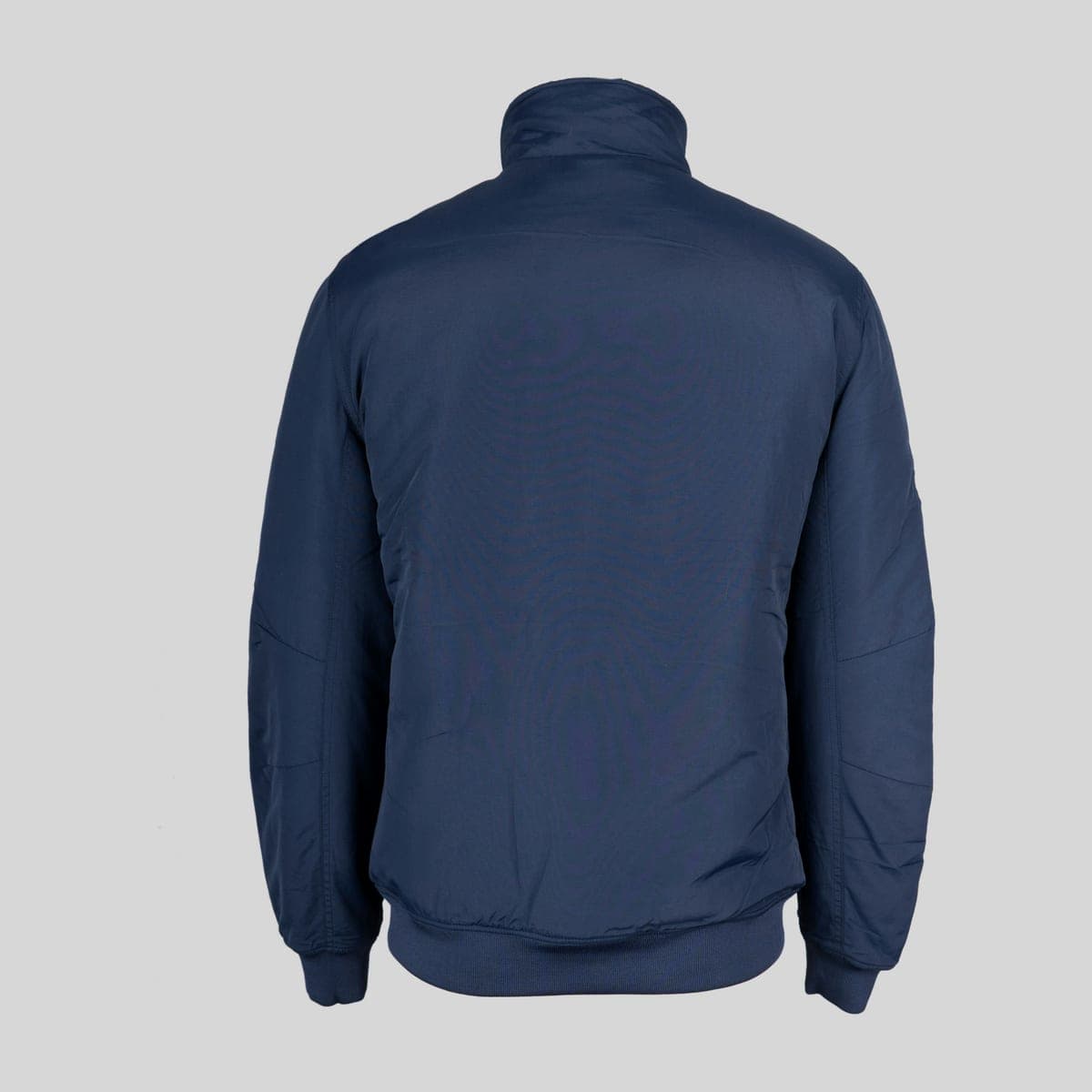
Organic Cotton Bomber Jacket
4102 · M · Navy
Product ID: 5712345678904-PO-2026-DEMO
Scores
Robustness Score
8 / 10
ISO 16322-3: Spirality | ISO 3759: Dimensional Change | ISO 15487: Visual Inspection (worst of 5 criteria)
Assessed after 5 wash-and-dry cycles (ISO 6330), max 10 pts
- Spirality: 3 / 3
- Dimensional change: 3 / 3
- Visual inspection (worst of): 2 / 4
- Colour change (Grade 4-5): 4 / 4
- Pilling (Grade 4-5): 4 / 4
- Fuzzing (Grade 3): 2 / 4
- Seam appearance (Grade 4-5): 4 / 4
- Non-textile parts (Grade 4-5): 4 / 4
Recyclability Score
9 / 11
EU JRC 2026 recyclability criteria, max 11 pts
Based on fiber composition, dyes, prints, coatings and sequins
- Low elastane content
- Same composition inside and out
- No printing
- No coating
- No sequins
- Dyed
- Multi fiber material
- Suitable for mechanical recycling
- Cotton-rich recycling route
Repair this item
Nearest tailor
Open Google Maps to look for tailors and clothing repair near you.
Find nearest tailor in Google MapsThe real passport, running on demo data.
Scroll it, open the sections, switch the language. These four steps turn a purchase order into a passport like this one.
Import a purchase order
Upload the CSV or Excel you already have, or pull orders from your ERP, PLM or shop. Columns map automatically and every style becomes a draft.
Collect the data with your suppliers
Suppliers fill in components, materials and certificates through a template or their own portal login. The engine calculates weights, fibre breakdown, recycled content and the robustness and recyclability scores as the data lands.
Publish
An immutable snapshot goes live with a GS1 Digital Link QR for every size and colour, on your own domain if you connect one.
Report
EPR filings per scheme, the period report and retailer feeds come out of the same record. Nothing is entered twice.
Four outputs. One source of truth behind all of them.
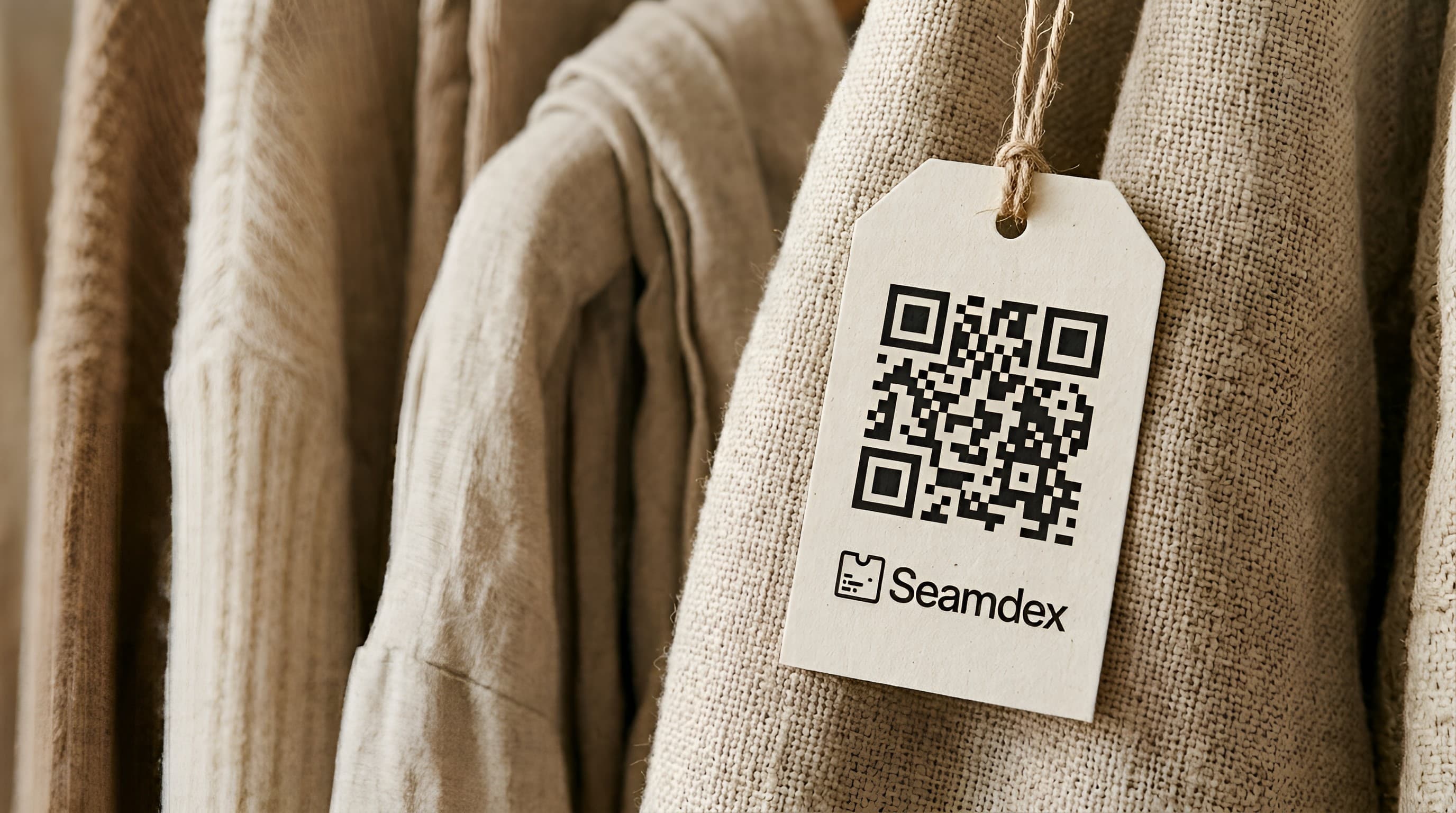
A passport on every garment
The QR on the tag opens the record for exactly that size and colour.
Digital Product Passport
A brand-themed page, on your own domain if you connect one, with materials, care and scores in the languages your customers read. Publishing freezes the record, so what a customer scans is exactly what you approved.
GS1 Digital Link QR
A unique code per size and colour on the standard retailers and regulators already read, with scan analytics that never track people.
EPR filing per scheme
Pieces or kilograms per category in the layout the national textile scheme asks for, from the weights and fibres already in the record.
Supply chain map and certificate library
Suppliers, tiers and the certificates that back each claim are saved once in the library and reused across products. The passport shows the chain at the disclosure you choose, down to countries only.
The rules are still moving. The data they will ask for is not.
ESPR in force
The EU Ecodesign Regulation entered into force, the legal basis for Digital Product Passports.
Textile delegated act
The textile-specific passport requirements are adopted at EU level. Only then do the exact mandatory fields become law.
National textile EPR schemes
Every EU country must have a producer responsibility scheme running, with fees resting on the weight placed on the market, modulated on ecodesign criteria such as durability and recyclability.
DPP compliance expected
Passports realistically become mandatory for textiles placed on the EU market, 18 months after the delegated act enters into force.
Regulation, standards and product data, from the blog.
- 26 October 2026 · Regulation, ComplianceEU textile compliance checklist for fashion brandsEleven EU rules reach a fashion brand selling textiles, in the order they bite. What each asks, who it reaches, when, and the product data that answers it.
- 23 September 2026 · Standards, Product dataGS1 Digital Link for fashion brands, and one correctionWhat a Digital Link QR code is, why the same code can serve a till and a customer, and why the claim that the EU mandates it is not accurate.
- 21 September 2026 · Regulation, EPRTextile EPR in Denmark, what is known and what is notDenmark must run a textile producer responsibility scheme by April 2028, and the reporting format does not exist yet. What a fashion brand can prepare now.
One price. Nothing gated behind a bigger plan.
No onboarding, setup, per-scan, per-user or support fees. Every in-app feature is included from the first day.
See the Full Price ListFrom
250 EURmonthly
If billed annually, otherwise 300 EUR monthly.
- Style passports per year
- 600
- Further style passports
- Up to 0.67 EUR a month each
- Users, suppliers and partners
- Unlimited
- Onboarding, per-scan and support fees
- None
- REST API and MCP server
- Enterprise add-on
Frequently asked questions

Start your first passport today.
Subscribe, import a purchase order and see the data come together. Monthly or yearly billing, by card or invoice.