
What is a Digital Product Passport
A passport for every garment you sell.
The EU digital product passport is a scannable record of a garment: what it is made of, where it came from, how to care for it, and how to repair or recycle it. Expected to become mandatory for EU textiles from 2028.
The record
One scannable record, the whole story.
The phone shows the real digital passport, running live on demo data. Scroll it, open the sections, switch the language.
Traceable
Digital product traceability from the label: linked to the physical garment through its QR code, per size and colour, on the GS1 Digital Link standard.
Scannable
Anyone can scan the code on the label and read the passport in their own language, no app required.
Verifiable
Real product and supply chain data with the certificates attached.

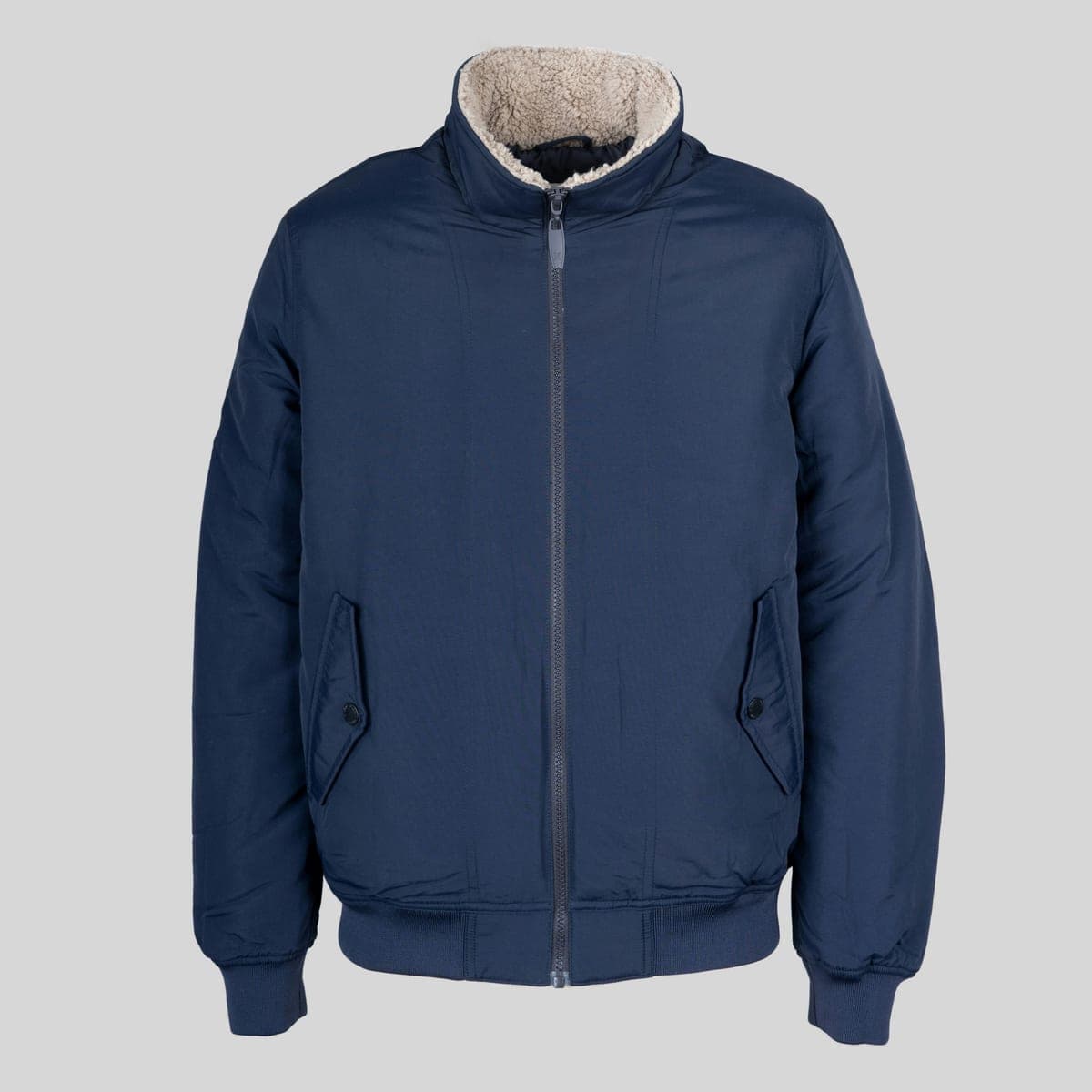
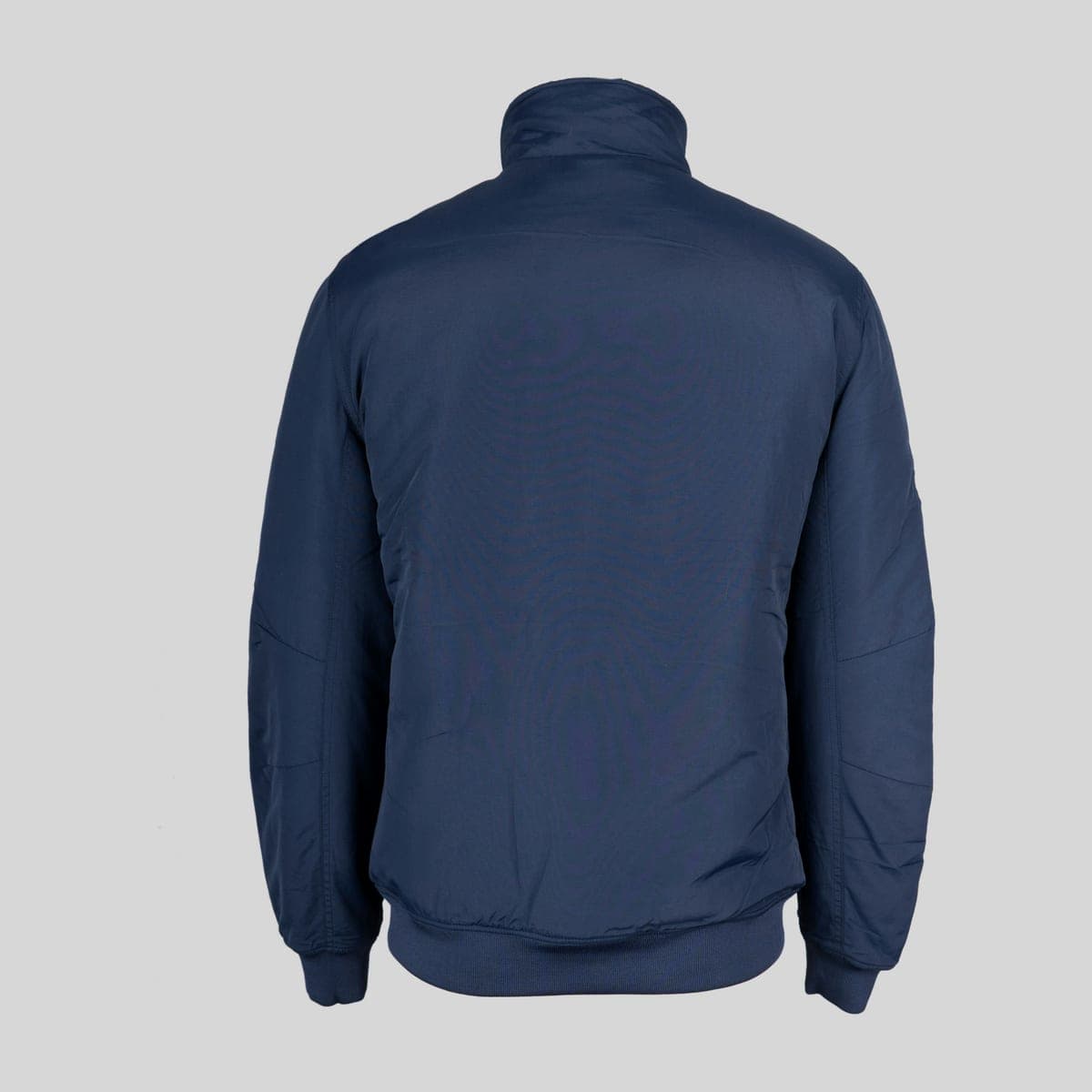
Organic Cotton Bomber Jacket
4102 · M · Navy
Product ID: 5712345678904-PO-2026-DEMO
Scores
Robustness Score
8 / 10
ISO 16322-3: Spirality | ISO 3759: Dimensional Change | ISO 15487: Visual Inspection (worst of 5 criteria)
Assessed after 5 wash-and-dry cycles (ISO 6330), max 10 pts
- Spirality: 3 / 3
- Dimensional change: 3 / 3
- Visual inspection (worst of): 2 / 4
- Colour change (Grade 4-5): 4 / 4
- Pilling (Grade 4-5): 4 / 4
- Fuzzing (Grade 3): 2 / 4
- Seam appearance (Grade 4-5): 4 / 4
- Non-textile parts (Grade 4-5): 4 / 4
Recyclability Score
9 / 11
EU JRC 2026 recyclability criteria, max 11 pts
Based on fiber composition, dyes, prints, coatings and sequins
- Low elastane content
- Same composition inside and out
- No printing
- No coating
- No sequins
- Dyed
- Multi fiber material
- Suitable for mechanical recycling
- Cotton-rich recycling route
Repair this item
Nearest tailor
Open Google Maps to look for tailors and clothing repair near you.
Find nearest tailor in Google MapsThe data
The fields a passport is expected to carry.
Based on the ESPR framework. The exact list becomes law with the textile delegated act, expected in 2027.
Every field with a green check is captured by Seamdex today.
Expected required fields
ExpectedThe final list lands with the textile delegated act.
Unique product identifier
A resolvable product identifier carried by a QR code; per-item serials are proposed as voluntary at first.
Fibre and material composition
What the garment is made of, per component.
Country of origin
Where the garment was made.
Substances of concern
REACH declarations: SVHC candidate list, Annex XIV, Annex XVII.
Recycled content
The share of recycled material across the garment.
Durability
A 0 to 10 robustness score built from standardised ISO test results after repeated wash and dry cycles.
Recyclability
A 0 to 11 score built from the EU JRC recyclability criteria: fibre composition, dyes, prints, coatings, sequins and the recycling route.
Care instructions
Standardised care symbols, with care text in every EU language.
Producer identity
The economic operator responsible for the product.
End of life guidance
What the owner should do with the garment when it is done.
Likely voluntary fields
VoluntaryUseful to disclose, not expected to be mandatory at the start.
Full supply chain traceability
Tier by tier, from fibre to finished garment, with control over how much is public.
Certifications
Third party standards with their certificates attached.
Repair information
How to get the garment repaired instead of replaced; proposed as voluntary at first.
Environmental cost
The French environmental cost, calculated with Ecobalyse for garments sold in France; EU indicators as methods publish.
Disassembly instructions
Step by step guidance for taking the product apart.
FAQ
Passport questions
Publish your first passport this week.
Import a purchase order and watch the passport build itself. Monthly or yearly billing, by card or invoice.